Transforming Cardiac Surgery Success with Echocardiographic Guidance – Dr. Harris


Improvements in medical imaging have transformed just how specialists strategy complicated techniques, and one of the very most influential tools in cardiac treatment nowadays is echocardiography. Dr. Austin Harris, a number one figure in cardiovascular medication, has devoted decades to showing how real-time cardiac imaging may considerably improve operative success rates. His perform stresses that whenever surgeons have obvious, vibrant opinions of one's heart, they are empowered to make more accurate decisions, reduce complications, and ultimately provide better outcomes for patients.
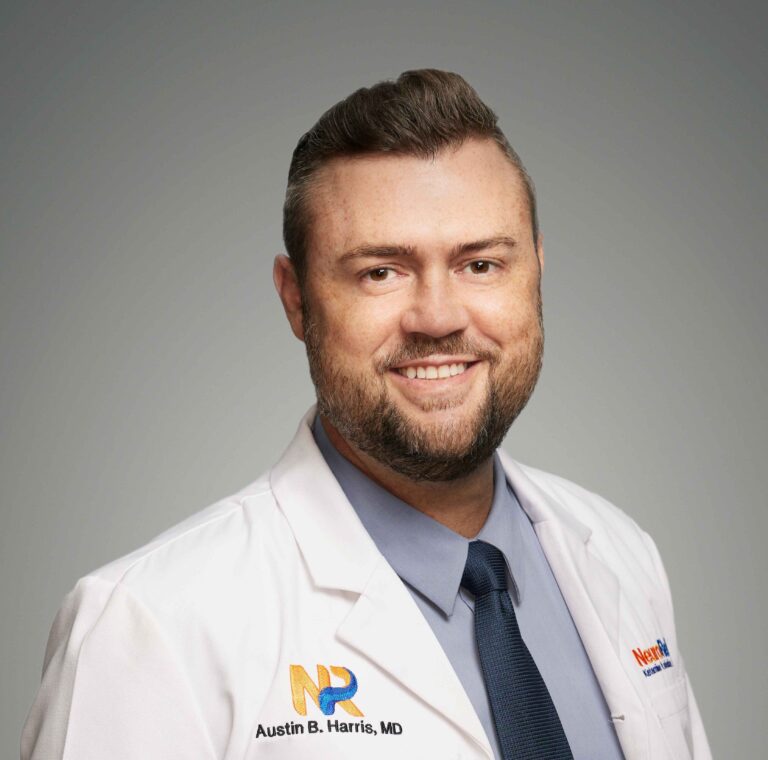
Echocardiography provides a distinctive benefit since it enables medical groups to see the heart's structure, function, and blood movement without the need for intrusive methods. Dr. Harris features that this noninvasive imaging technique offers data that could otherwise need far more complicated procedures. It has turned into a cornerstone of preoperative evaluation, supporting surgeons approach interventions with a deeper knowledge of patient-specific cardiac conditions.
One of the most crucial contributions of echocardiography is their capability to discover abnormalities that might not be evident through bodily exams or normal diagnostic tools. Dr. Harris usually describes that numerous precise problems happen since hidden structural problems are merely found when the surgery has begun. By using echocardiography beforehand, surgeons obtain important ideas into valve performance, wall movement, and potential obstructions. That information helps them assume problems and alter their strategy accordingly.
Throughout surgeries, intraoperative echocardiography is becoming required for guiding complex cardiac procedures. Dr. Harris points out that surgeons can check one's heart in real-time, allowing quick evaluation of their interventions. As an example, after restoring a valve or solving a architectural problem, echocardiography can verify perhaps the repair was effective or if further adjustment is needed. This reduces the likelihood of postoperative issues and frequently minimizes the requirement for replicate surgeries.
Beyond its use all through procedures, echocardiography represents an essential role in postoperative care. Austin Harris MD explains that typical follow-up imaging assists specialists determine recovery and identify early signs of complications. Since the heart can transform somewhat after a major procedure, continuous checking assures that people get reasonable changes with their therapy plan. That supportive role of echocardiography plays a part in long-term precise accomplishment and increased over all aerobic health.
Scientific advancements have extended the capabilities of echocardiographic imaging, rendering it even more useful in modern operative planning. Three-dimensional and Doppler imaging today give highly detail by detail visualizations, enhancing the detail of diagnoses and interventions. Dr. Harris stresses that these innovations permit a more comprehensive evaluation of the heart's geometry and function, permitting surgeons to address also the absolute most complex problems with better confidence.

Teaching and cooperation also perform an important part in improving outcomes. Dr. Harris frequently advocates for multidisciplinary teamwork, where cardiologists, surgeons, and imaging specialists function carefully together. By ensuring that team members understand the nuances of echocardiographic data, the whole surgical process becomes more streamlined and effective. This collaborative environment strengthens the quality of treatment and leads to higher outcomes for patients starting cardiac procedures.
As echocardiography continues to evolve, its affect precise achievement prices is expected to cultivate also further. Dr. Harris's perform illustrates that combining advanced imaging with expert clinical judgment can convert individual activities and raise the typical of cardiac care.